

How to become a bridge for Canada to Vietnam?
My memorable accomplishment to make the job done!
OIL AND GAS
Tu Nguyen
7/10/20262 min read
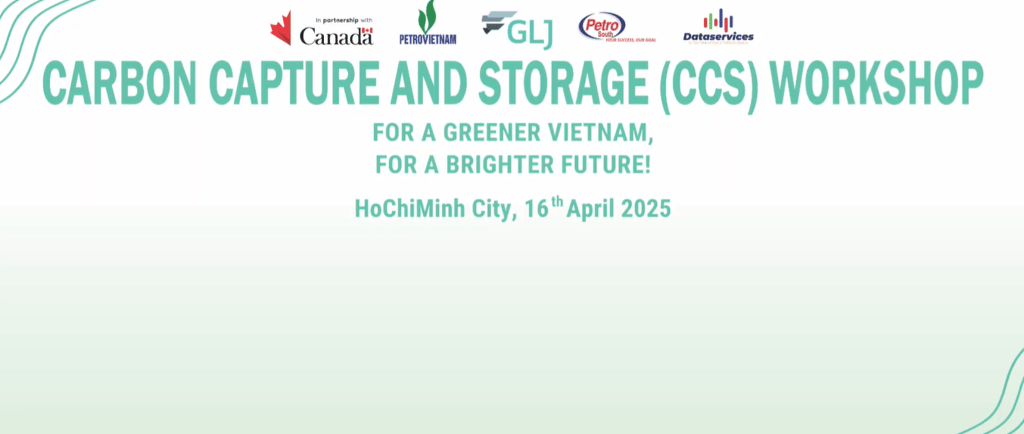
How to Become a Bridge: Lessons from Organizing the CCS Workshop with Canada
Vietnam's energy sector knows carbon capture and storage matters. Canada has thirty years of CCS deployment in Alberta—working fields, working economics, working policy. Between knowing and doing sits a gap. That gap is where bridges get built.
Last year, We organized a Carbon Capture and Storage workshop in Ho Chi Minh City in collaboration with Canada's General Consulate. It wasn't my first cross-border deal, but it taught me something I didn't expect: becoming a bridge between countries isn't heroic. It's unglamorous, deliberate, and built on relationships you've already earned.
The Real Problem Comes First
I didn't pitch a "knowledge exchange." I pitched the problem. Vietnam's Nationally Determined Contributions target is real. The risk of stranded assets if the energy transition stalls is real. And the jobs that shift from exploration to carbon management won't train themselves. When Canadian expertise meets Vietnam's urgency—when both sides see the cost of not talking—the workshop sells itself. The Consulate opened doors. Vietnamese leaders showed up. The gap starts closing.
You Can't Bridge Alone
I've made this mistake before. I didn't organize this workshop alone, and it wouldn't have happened if I'd tried. It took the General Consulate providing diplomatic cover. It took Vietnamese O&G leaders willing to sit in a room with Canadian operators. It took technical experts from both countries, months of email threading through bureaucracy, late-night calls across time zones, and more follow-ups than I wanted to send. The bridge isn't one person. It's the network you build across both sides, and you're just the one standing in the middle.
Credibility Matters More Than You Think
I've sat across the table from C-suite at PVN, BSR, PTSC, NSRP and Vietsovpetro. I've won tenders worth over a million dollars and lost deals I should have won. I've spent twenty-five years in O&G across Vietnam and Canada. Government officials didn't ask "Who is this guy?" They asked "Why does he care?" If you're bridging, you need to have built something on both sides already. Your track record is your password.
Move Fast on Small Wins
First workshop. Get it done. Measure it. Show the impact—number of attendees, quality of discussions, follow-up commitments. Small wins compound. The second workshop is easier. The third becomes a platform. Don't wait for perfect. Move.
The Bridge Isn't Built at the Event
Post-workshop, the real work intensifies. Connections fade without follow-up. I'm tracking which Vietnamese companies are exploring CCS pilots now, which Canadian firms are seriously exploring market entry, what policy questions still linger. The bridge isn't built when people walk out of the room. It's tested after. That's where you find out if you actually changed anything.
The Sharpest Insight
Becoming a bridge isn't about being the smartest person in the room. It's about showing up twice when others show up once. Following up hard. Accepting that most conversations go nowhere—until one doesn't. The bridge works because you're willing to stand in the middle longer than anyone expects.
That's how you make it happen.